
Slow onboarding
Manual KYC and visitor checks create queues and incomplete files.
Platform 03 · Identity
Secure visitor and identity verification using Aadhaar Offline Verification. Consent-driven, paperless, and free of live UIDAI server dependency.
The exposure
Campuses, assisted service desks, and high-volume KYC flows lose completion rate when verification is slow, consent is unclear, or Aadhaar data is held longer than policy allows.
Manual KYC and visitor checks create queues and incomplete files.
Real-time server calls fail when connectivity or upstream availability drops.
Holding Aadhaar numbers creates unnecessary compliance exposure.
Without a clear in-app consent step, audits and DPDP readiness suffer.
The answer
Offline Verification Seeking Entity — fully consent-driven.
As an OVSE, BioEnable checks identity locally using Offline Aadhaar data inside the Aadhaar App. The person reviews and approves what is shared. Verified attributes return over a protected callback. Aadhaar numbers are never stored.
Verification workflow
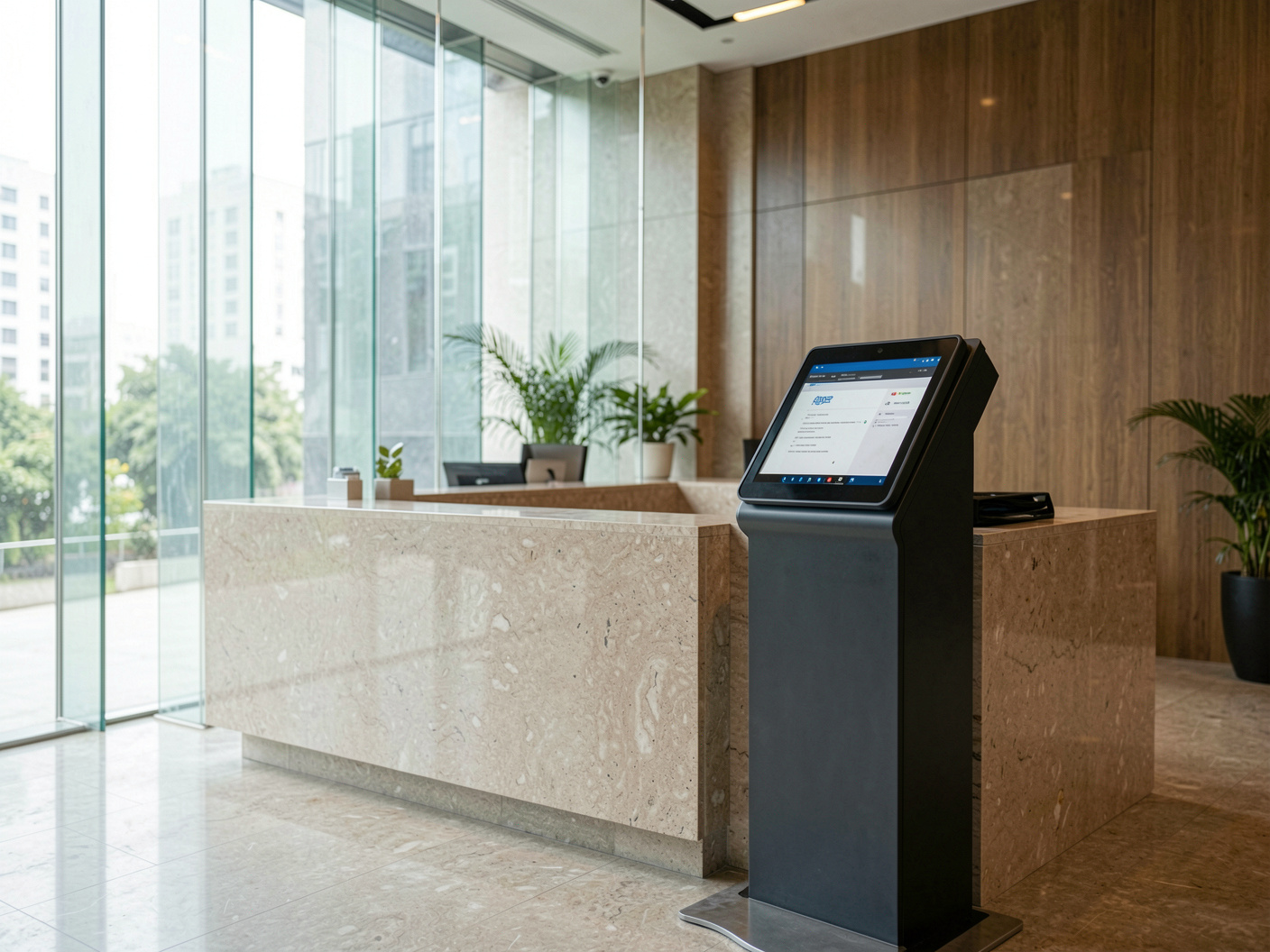
Begin via QR code at the desk or an in-app session.
The person reviews and approves exactly what will be shared.
Face authentication completes inside the Aadhaar App.
Verified data is delivered through a protected callback — nothing else is retained.
Where it fits

Visitor verification without retaining Aadhaar numbers at the gate.
KYC and onboarding desks that need paperless, consent-first flows.
Employee and contractor identity with audit-ready consent trails.
ISO 27001 and DPDP-ready processes with encrypted callbacks.
Next step
We will map the QR / in-app start, consent flow, callback integration, and deployment model with your compliance and facilities teams.